
Book a Dermal Filler Session with Dr. Laura Geige Now
Anatomy of the Nose
Muscle Control
The act of flaring your nostrils involves voluntarily contracting specific muscles surrounding the nose. This action serves several purposes, including enhancing airflow and altering olfactory perception.
Structurally, the nose consists of a framework formed by cartilage and bone, covered by skin and lined with mucous membranes.
The primary muscle responsible for nostril flaring is the **nasalis muscle**. This fan-shaped muscle originates on either side of the nasal septum (the wall dividing the nostrils) and inserts onto the lower lateral cartilages of the nose.
When the nasalis muscle contracts, it pulls these cartilages laterally, widening the nostrils.
Several other muscles contribute to nostril movement and shaping, although they are not directly involved in flaring. These include:
* **Procerus muscle:** Located between the eyebrows, it contributes to wrinkling the nose.
* **Levator labii superioris muscle:** Elevates the upper lip, indirectly affecting nostril position during expressions like smiling or frowning.
The intricate interplay of these muscles allows for a wide range of facial expressions and nuanced nasal movements.

Nasal Structures
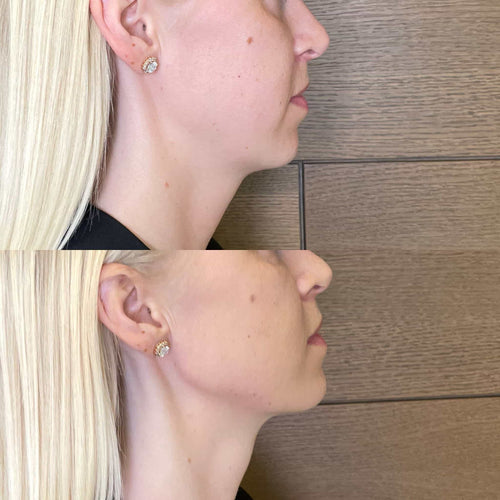
The act of flaring your nostrils, also known as **nasal dilation**, involves the widening of the **nostrils** (external nares). This is accomplished through the contraction and relaxation of specialized muscles.
The nose is a complex structure composed of several key components:
External Nose: This is the portion of the nose visible externally. It consists of cartilage, skin, and subcutaneous tissue. The tip of the nose is formed by a combination of **nasal cartilages**, while the bridge of the nose is supported by bony structures.
Schedule a Dermal Filler Appointment with Dr. Laura Geige Now
Nasal Cavity: Located inside the nasal bones, this chamber is divided into two passages by the **nasal septum**. It plays a crucial role in air filtration, warming, and humidification. The lining of the nasal cavity is covered in mucus membranes that contain **cilia**, tiny hair-like structures that trap dust and other particles.
Nasal Conchae (Turbinates):** These are scroll-shaped bony projections located on either side of the nasal septum within the nasal cavity. They increase the surface area, promoting airflow and enhancing the warming and humidifying processes.
Olfactory Epithelium: Situated high in the nasal cavity, this specialized tissue houses **olfactory receptor neurons**, responsible for our sense of smell.
**Muscles Involved in Nasal Dilation:**
• Levator Nasi Muscle: Elevates and flares the nostrils.
• Dilator Naris Muscle:** Widens the nostrils.
The Phenomenon
Scientific Perspective
The ability to voluntarily flare one’s nostrils, often referred to as “nostril flaring” or “nasal dilation,” is a complex physiological phenomenon that involves multiple muscle groups.
The primary muscles responsible for nostril flaring are the levator labii superioris alaeque nasi (which elevates and flares the nostrils), the dilator naris muscle, and the procerus muscle (which wrinkles the skin between the eyebrows).
From a scientific perspective, the mechanisms underlying nostril flaring are not fully understood. However, some theories suggest that it may serve several purposes:
1. **Improving Airflow:** Nostril dilation can potentially increase airflow to the nasal passages, particularly when breathing through the nose is labored or obstructed.
2. **Sensory Enhancement:** Flared nostrils might enhance the sense of smell by increasing the surface area exposed to airborne odors.
3. **Emotional Expression:** Nostril flaring has been observed in various emotional contexts, such as anger, disgust, and exertion, suggesting a possible role in non-verbal communication.
4. **Vocalization Enhancement:** Some theories propose that nostril dilation might help amplify certain vocalizations, such as sniffing or growling.
While these theories provide plausible explanations, more research is needed to definitively determine the physiological and behavioral functions of nostril flaring.
Cultural Interpretations
The act of flaring one’s nostrils, often done intentionally to display dominance, anger, or even a heightened sense of smell, has various interpretations across cultures and contexts.
Here are some cultural interpretations:
-
In many animal species, nostril flaring is a sign of aggression or territoriality. It’s a way to appear larger and more menacing.
-
Among some indigenous cultures, flaring nostrils can be associated with rituals or spiritual practices, signifying connection to the divine or ancestors.
-
In certain performance art forms, like theater or dance, nostril flaring might be used to convey specific emotions or character traits. A character feeling angry or powerful might flare their nostrils, adding a visual cue to their performance.
-
Beyond cultural contexts, nostril flaring can also simply be a physiological response to certain stimuli like strong smells or irritation.
Consult Dr. Laura Geige for Dermal Fillers at It’s Me and You Clinic
Therefore, while there isn’t a single universally recognized term for flaring nostrils, understanding the cultural context is essential to interpreting its meaning.
Variations and Expressions
Factors Influencing Ability
While “flared nostrils” might seem like a simple physical description, understanding the full scope of variations and expressions related to this action requires delving into the realm of nonverbal communication.
Firstly, the very act of flaring nostrils is a subtle muscle movement that often signals an emotional response or physiological state. It can indicate heightened arousal, aggression, excitement, disgust, or even focus and concentration depending on the context. This complexity arises from the multifaceted nature of human expression – a single action can convey a range of meanings.
The degree to which nostrils flare also adds nuance to the message. A slight widening might express mild curiosity or alertness, while a more pronounced flare could signal anger or frustration. Additionally, cultural norms and individual personalities influence how widely people perceive this gesture as “extreme” or “intense.”
Furthermore, the context in which flared nostrils occur plays a crucial role in interpreting their meaning. Imagine a dog panting with flared nostrils – it’s likely indicating exertion or heat stress. Now picture someone flaring their nostrils while facing a perceived threat – this suggests defensiveness or even aggression. The same action can have vastly different implications depending on the situation.
Finally, factors like age, gender, and social status can also influence how flared nostrils are perceived. While certain cultures may associate this gesture with masculinity or dominance, others might interpret it as a sign of nervousness or insecurity.
In conclusion, “flared nostrils” is not merely a physical action; it’s a complex nonverbal cue with multiple layers of meaning. Understanding its variations and expressions requires considering the context, individual interpretations, cultural norms, and the interplay of physiological and emotional states.
Potential Concerns
The ability to intentionally expand and contract the nostrils, also known as flaring, doesn’t have a single, universally recognized term in English.
However, several terms might be used to describe this action depending on the context:
-
Nasal dilation:**
-
Flaring nostrils:**
-
Pinching or compressing the nose (or nostrils):
-
Whale breathing:**
This is the most medically accurate term, referring to the widening of the nostrils.
This common phrase directly describes the action and is easily understood.
This could be used to describe intentionally constricting the nostrils, which might be part of a broader gesture or technique.
This term is less common but sometimes used in descriptions related to meditation or conscious breathing exercises.
It’s important to note that the specific term chosen might depend on:
-
The context of the discussion: Is it a medical setting, a description of physical expression, or something else?
-
The intended meaning: Are you describing a deliberate action or a natural physiological response?
-
Cultural norms and language usage.
While there isn’t one definitive answer, using clear and specific language will help ensure your meaning is understood.
Goonie Yoga and Therapy Democracy Defense Coalition Bye Bye Belly Blog Alkhemist LA Crimson Hill

- Xela Rederm Skin Booster Treatments Near Lyne And Botleys, Surrey - January 21, 2026
- Why THC Soda Is Becoming A Popular Alternative To Smoking Weed - January 18, 2026
- Why Does My Filler Only Last 3 Months? - January 15, 2026